 how-to
Seamless Flooring & Underfloor Heating: Compatibility Guide
Can seamless flooring work with underfloor heating?
It can, provided the proposed finish and the complete floor construction are suitable for one another. Confirm compatibility before the screed or heating system is ordered, rather than treating the finish as a last-minute choice.
Resin flooring, a polished concrete slab and a thin cementitious overlay are different constructions. Their thickness, thermal behaviour and installation requirements should not be treated as interchangeable.
Start with the complete build-up
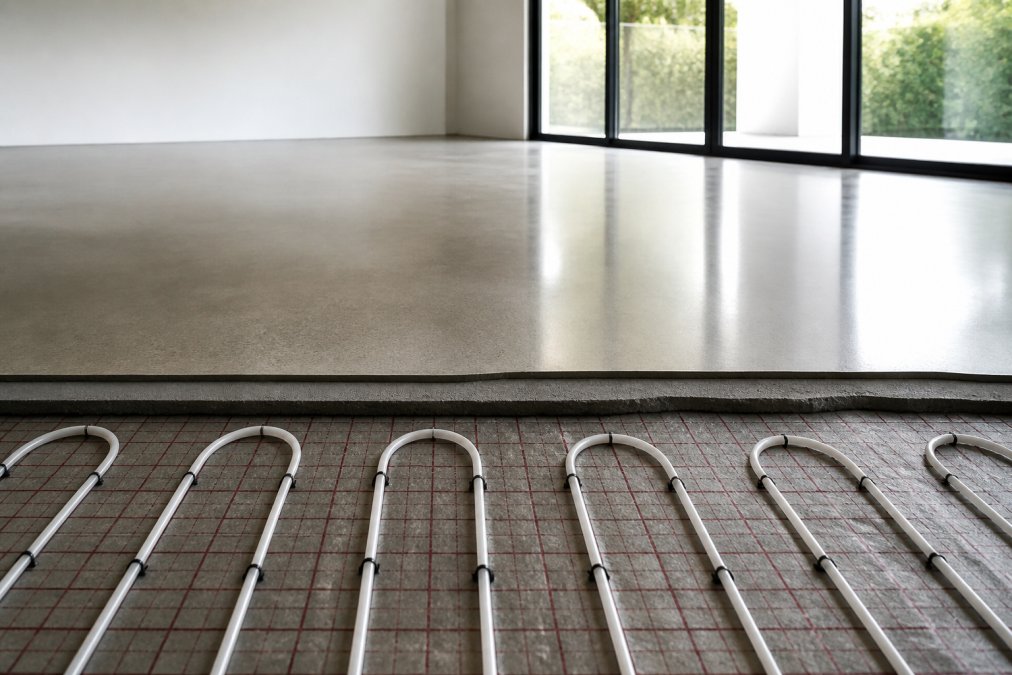
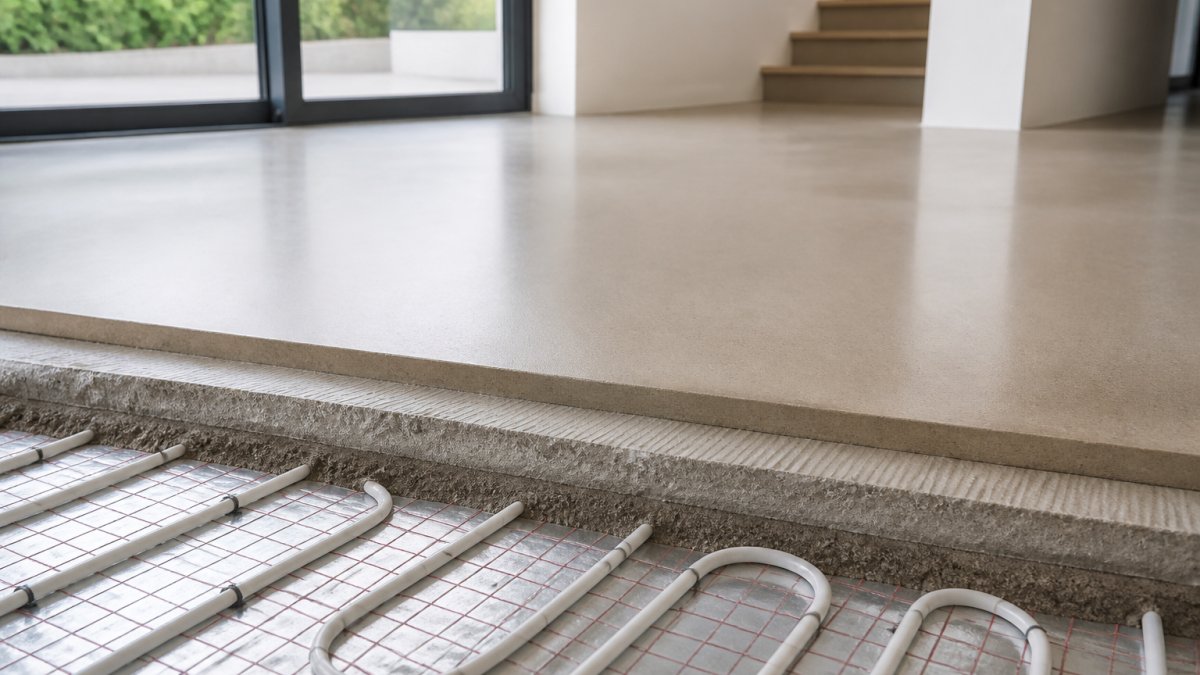
Ask the heating designer, screed supplier and flooring installer to agree the layers, loading, insulation, movement joints, finished levels and intended operating conditions. The heating designer should check heat loss and output for the room using the actual floor specification.
Do not select the thinnest coating simply to improve heat transfer. The finish must meet its specified thickness and performance requirements. Request thermal-resistance data where required for the heating calculation; generic conductivity claims cannot establish how quickly a particular room will warm up or how much energy it will use.
Puur finishes and heated screeds
Puur’s published guidance allows suitable finishes over heating embedded within a screed, subject to preparation and testing. The screed and heating need a planned commissioning programme before the finish is installed. Heating is normally off during Puur’s work, with the restart procedure agreed for the selected system.
Electric cables or mats must be secured and covered in an appropriate screed as part of the approved construction. Do not assume they can sit directly below a decorative finish. Obtain specific confirmation for non-screed systems.
Drying is a measured condition, not a fixed number of days
A screed’s readiness depends on the product, thickness, site conditions and permitted drying or commissioning process. A fast-drying product needs its own instructions; its timetable cannot be applied to a conventional screed.
Before flooring starts, the installer should identify the screed and use the test method and acceptance limits required by the chosen system. Do not apply one relative-humidity figure to every cement or calcium sulphate base. A surface meter reading alone may not be the specified acceptance test.
Record results and resolve any discrepancy with the screed and flooring suppliers. A generic moisture-tolerant primer is not a substitute for an approved moisture-control design.
Commission and test before covering
Agree the pre-installation heating test and commissioning procedure with the relevant suppliers. Keep records of the process and allow the base to reach the required installation conditions. Briefly switching the heating on is not equivalent to completing its commissioning programme.
Where appropriate, the heating installer should provide test and handover records. Plan access and timing so the heating, screed and flooring trades can complete their checks without rushing.
Prepare the base and plan movement joints
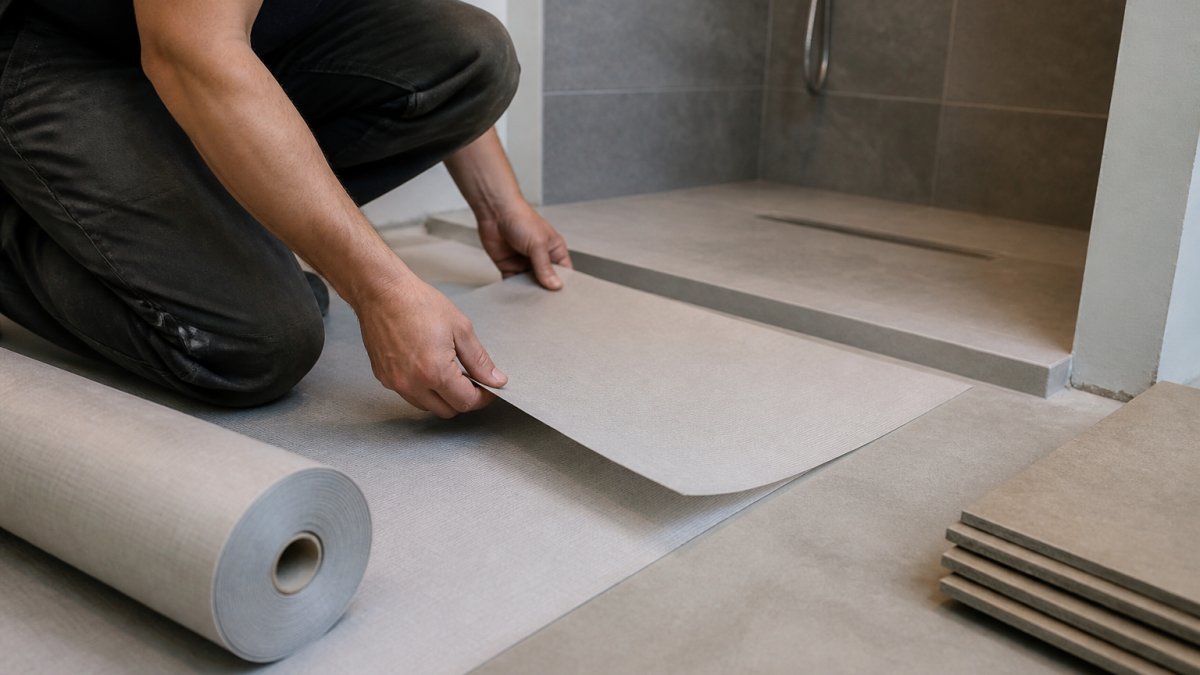
The flooring contractor should assess strength, soundness, moisture condition, surface contamination and flatness. Preparation and repairs must suit the actual base and finish. Existing cracks and joints need assessment rather than simply being concealed.
A continuous-looking finish does not remove movement in the construction. Agree which joints must be continued and how they will look. No decorative finish should be promised to remain crack-free regardless of base movement.
Control application and curing conditions
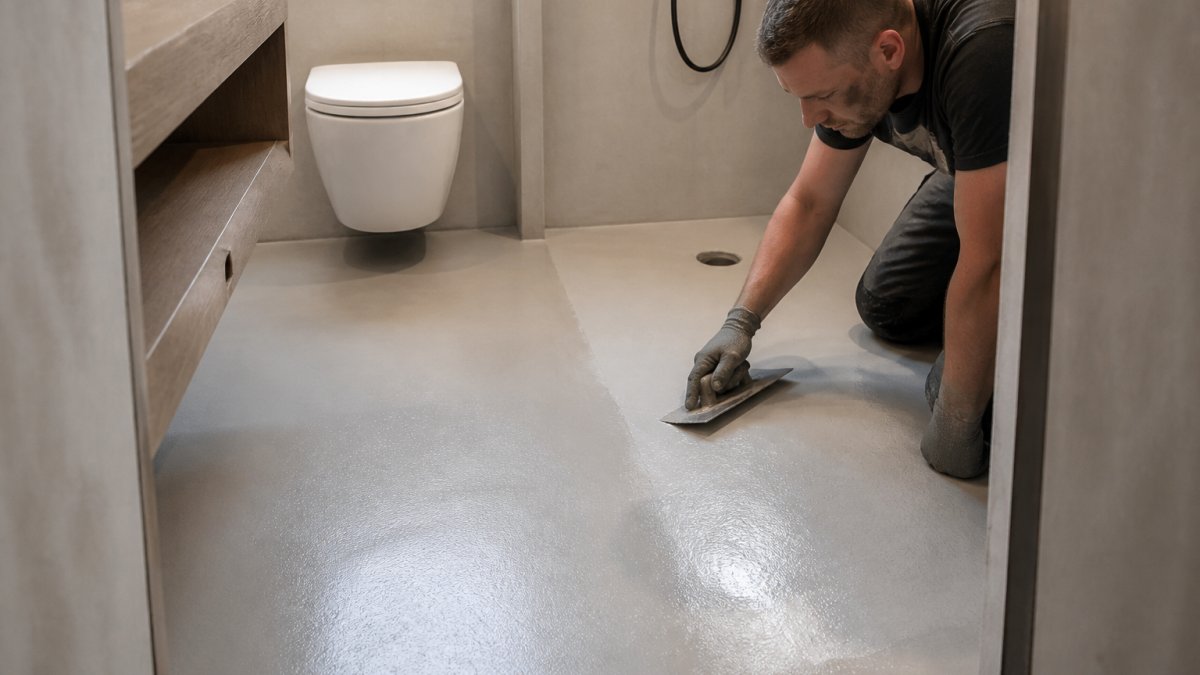
Use the temperature, humidity, substrate and curing limits in the selected products’ instructions. A general range quoted in a blog cannot replace those requirements. The same applies to primers, mixing, coverage, application and the sequence between layers.
Agree when heating must be switched off before work, how installation conditions will be maintained, and when foot traffic, coverings and further trades are permitted. Avoid using the heating to force the finish to dry or cure.
Restart heating under an agreed plan
Restart only after the floor has reached the condition required by the installer and product supplier. Follow their written limits for timing, temperature changes and maximum operating temperature. A universal number of days or daily temperature increase is not suitable for every system.
Provide the building operator with the agreed procedure and care information. If there is unusual cracking, blistering or a change in the finish, contact the installer rather than adjusting settings by trial and error.
What to send Puur before specifying
- Plans and intended room use.
- The heating manufacturer and system details.
- The screed product, thickness and proposed build-up.
- Design temperatures and the heating designer’s requirements.
- Joint layouts, thresholds and available finished levels.
- Commissioning, moisture-test and programme information.
With these details, we can discuss the finish and samples and identify anything that needs resolving with the other suppliers before installation.
Ask Puur about your heated floor specification
Frequently Asked Questions
Is poured resin flooring suitable for underfloor heating?
Some systems are suitable, but confirm compatibility for the specific resin, base and heating construction. The heating designer, screed supplier and flooring installer should agree the specification and commissioning procedure before installation.
How long must underfloor heating screed dry before seamless flooring installation?
There is no universal drying period. Follow the screed product’s instructions and confirm readiness using the flooring system’s required test method and acceptance limits. Thickness, site conditions and any permitted commissioning process all affect the programme.
What causes seamless flooring to crack over underfloor heating?
Movement in the base, existing joints, preparation, moisture and temperature changes can contribute. The cause needs assessment. Correct design, preparation and commissioning help manage risk but cannot guarantee that a finish will never crack.
Can polished concrete withstand underfloor heating in high-traffic areas?
A suitable concrete or overlay system may work over a correctly designed heated construction. Confirm the chosen finish’s traffic, temperature and maintenance requirements. A polished slab and Puur PSR overlay are different systems and need their own specifications.